Hidden Dangers Beneath Our Streets: The Heathrow Fatberg Discovery
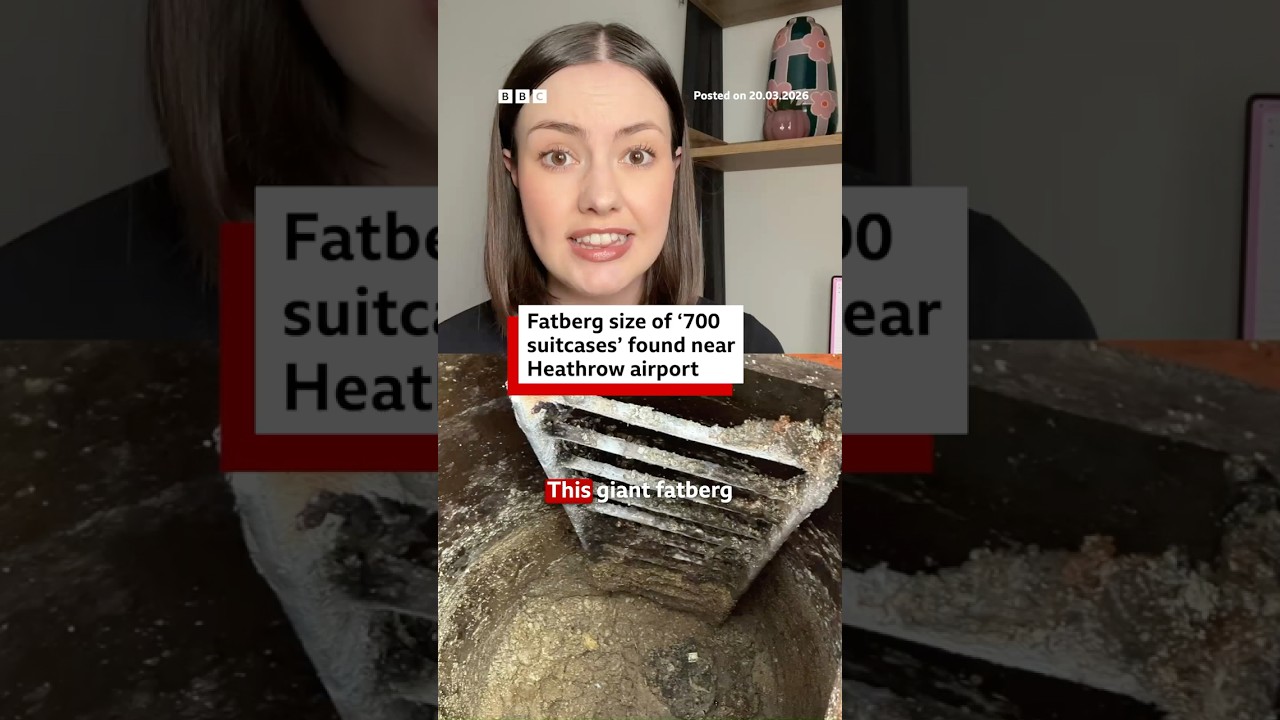
In an unexpected development, a massive fatberg measuring a staggering 1,640 feet was unearthed in a sewer near Heathrow Airport in London. This colossal mass, roughly equivalent to 700 suitcases lined up end-to-end, offers a stark illustration of the challenges that modern urban infrastructure faces. Situated perilously close to Terminal 5 in Slough, this fatberg stretched the limits of the expected, emphasizing the consequences of careless waste disposal.
The term "fatberg" might sound whimsical, yet the reality behind it is anything but amusing. Composed primarily of congealed oils, fats, and grease, fatbergs form when waste products coalesce into large, immovable structures within the sewage system. While most urban residents may consider their drains a one-way street for unwanted materials, the Heathrow fatberg serves as a potent reminder that what goes down the drain does not simply evaporate or vanish. Instead, it accumulates, potentially leading to significant infrastructure challenges and environmental concerns.
Clearing such an enormous blockage is no small feat. For more than two weeks, a dedicated team from Thames Water worked diligently to break apart this monstrous obstruction. They employed a range of digging tools to tackle the sheer size of the fatberg, followed by aggressive cleaning methods involving powerful water jets. The task underscored not only the persistence required to manage urban waste but also the sophistication of modern sewage systems, which must continually adapt to the evolving waste habits of city dwellers.
The problem of fatbergs is not uniquely British or newly discovered. Cities around the world are grappling with similar issues as they confront the consequences of modern consumption patterns. With a rise in takeout meals and the pervasive availability of convenience foods, the collective impact of discarded cooking oils, grease-laden wipes, and other inappropriate waste has become a significant challenge for municipal managers.
In light of the Heathrow incident, Thames Water officials reiterated a critical message: the need for public awareness surrounding proper waste disposal. Items that might seem inconsequential—like cooking fats or wet wipes—can have a cumulative effect, leading to blockages that disrupt not just local neighborhoods, but also vital infrastructure systems. The fatberg’s emergence in such a high-traffic area serves as a call to action, compelling both residents and businesses to rethink their habits.
Moreover, the financial implications of fatbergs can be staggering. The costs associated with detection, removal, and management of these waste deposits are borne ultimately by the taxpayers. When extensive repairs and maintenance are necessary, the burden is amplified. For cities, this can translate into increased water bills or taxes, placing further strain on already stretched public resources.
As we progress into an era marked by heightened environmental awareness, the lessons from the Heathrow fatberg cannot be ignored. Effective waste management is not solely the responsibility of municipal authorities; it requires a collaborative effort between residents, businesses, and local government. Educational initiatives aimed at informing the public about the repercussions of improper waste disposal can foster better practices and prevent similar disasters in the future.
In conclusion, the discovery and subsequent removal of the Heathrow fatberg is a stark reminder of the hidden dangers lurking beneath our cities. It reflects not only the complexities of urban life but also our collective responsibility to maintain the cleanliness and functionality of our infrastructure. As we learn from events like this, it becomes increasingly clear that a sustainable future hinges on our commitment to responsible waste management. Change starts at the individual level, and by making informed decisions about what we flush down our drains, we can work collectively to avoid another fatberg crisis.